Rising food prices have made Ramadan increasingly challenging for low-income households across Punjab. For families already living paycheck to paycheck, the holy month often brings added financial pressure — groceries cost more, utility bills increase, and daily expenses become harder to manage.
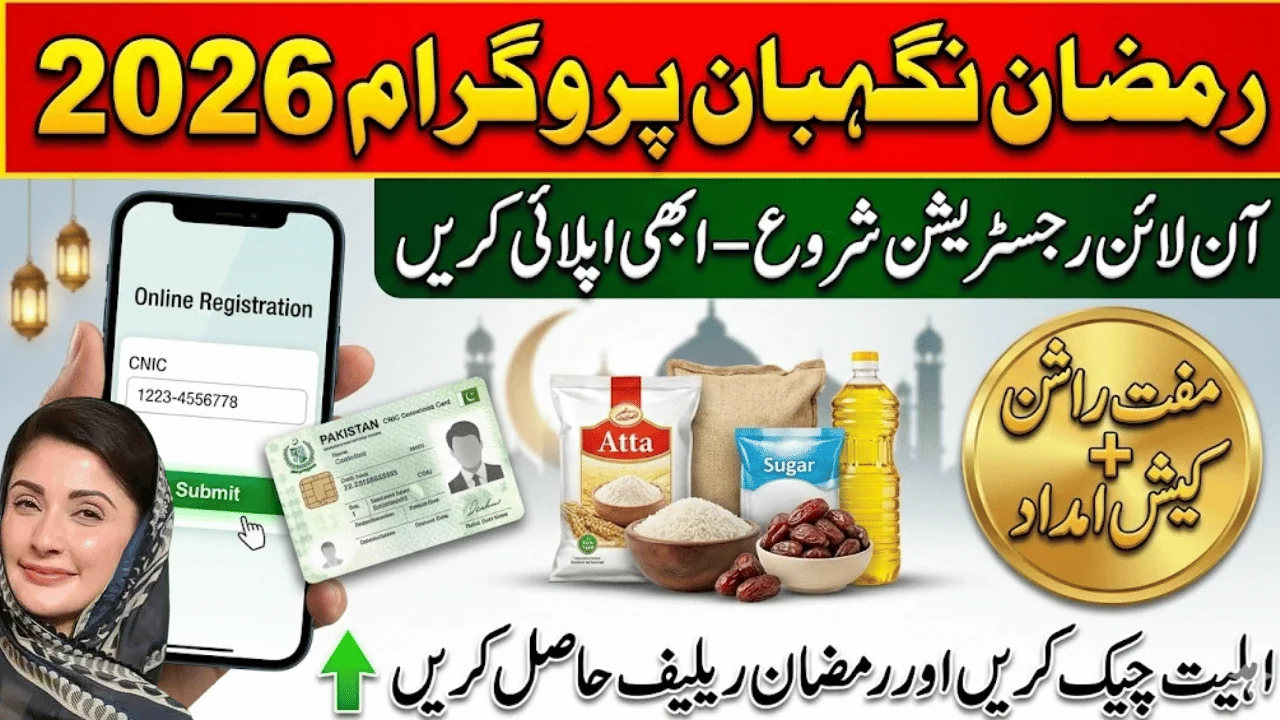
The Ramzan Nigehban Registration Online 2026 initiative aims to address this reality with targeted financial and ration support for deserving families. But many people still have important questions:
-
Who truly qualifies?
-
Is online registration mandatory?
-
What documents are required?
-
How does verification actually work?
-
What causes applications to be rejected?
This detailed, people-first guide explains everything clearly — with practical advice, real-world examples, and updated 2026 insights to help you apply correctly and avoid common mistakes.
What Is the Ramzan Nigehban Program 2026?
The Ramzan Nigehban Program is a provincial welfare initiative designed to provide food assistance or cash support before and during Ramadan. Its core purpose is simple:
Ensure that no deserving household struggles to afford essential items during Ramadan.
Unlike older manual distribution models, the 2026 version emphasizes:
-
Digital verification
-
CNIC-based screening
-
Data-driven beneficiary selection
-
Reduced human interference
-
Faster communication through SMS alerts
This shift has improved transparency and reduced duplication in welfare distribution.
What’s New in 2026? (Updated Insights)
The 2026 edition introduces several improvements:
1. Stronger Digital Cross-Verification
Applications are now checked against multiple databases, including:
-
National identity records
-
Socio-economic survey data
-
Tax records

-
Utility consumption data (in some cases)
This reduces fraud but also means incorrect data can lead to rejection.
2. Faster Status Updates
Applicants typically receive confirmation or verification updates before Ramadan begins, minimizing last-minute confusion.
3. Flexible Support Model
Depending on district policy and available funds, beneficiaries may receive:
-
Cash assistance (often Rs. 10,000)
-
Ration packages
-
Or a hybrid support model
Who Is Eligible for Ramzan Nigehban 2026?
Eligibility is not random. It’s based on income level, household vulnerability, and poverty indicators.
Primary Eligibility Criteria
You are more likely to qualify if:
-
You are a permanent resident of Punjab
-
Your monthly household income is below the poverty threshold
-
You are not a high-salary government employee
-
You are not an active tax filer with significant declared income
-
You do not own large commercial property
Priority Categories
The program gives preference to:
-
Widows
-
Women-headed households
-
Daily wage earners
-
Persons with disabilities
-
Senior citizens without steady income
-
Families already identified in socio-economic surveys

Real-World Example
Example 1:
A widow with two children earning Rs. 25,000 monthly from stitching work. She is not a tax filer and has no property in her name. She is likely to qualify.
Example 2:
A government school teacher with a stable salary of Rs. 75,000 and registered tax records. Even if financially stressed, they are unlikely to qualify.
Benefits of Ramzan Nigehban 2026
The program focuses on practical relief.
1. Financial Assistance
Eligible families may receive a one-time cash amount (commonly Rs. 10,000).
2. Essential Food Packages
Ration kits may include:
-
Flour (Atta)
-
Rice
-
Sugar
-
Cooking oil
-
Pulses
-
Dates
3. SMS-Based Communication
Selected applicants receive official notifications, reducing uncertainty.
Cash vs Ration – Which Is Better?
| Factor | Cash Assistance | Ration Package |
|---|---|---|
| Flexibility | High – spend as needed | Limited to provided items |
| Transparency | Direct payment system | Risk of local distribution delays |
| Convenience | No transport needed (bank transfer) | Must collect from distribution point |
| Control | Full control over spending | Pre-selected items |
Expert Insight:
Cash assistance is generally more empowering, but ration packages can be useful in rural areas with limited market access.
Ramzan Nigehban Registration Online 2026 – Step-by-Step Process
The online registration system is designed to be user-friendly.
Step 1: Access Official Portal
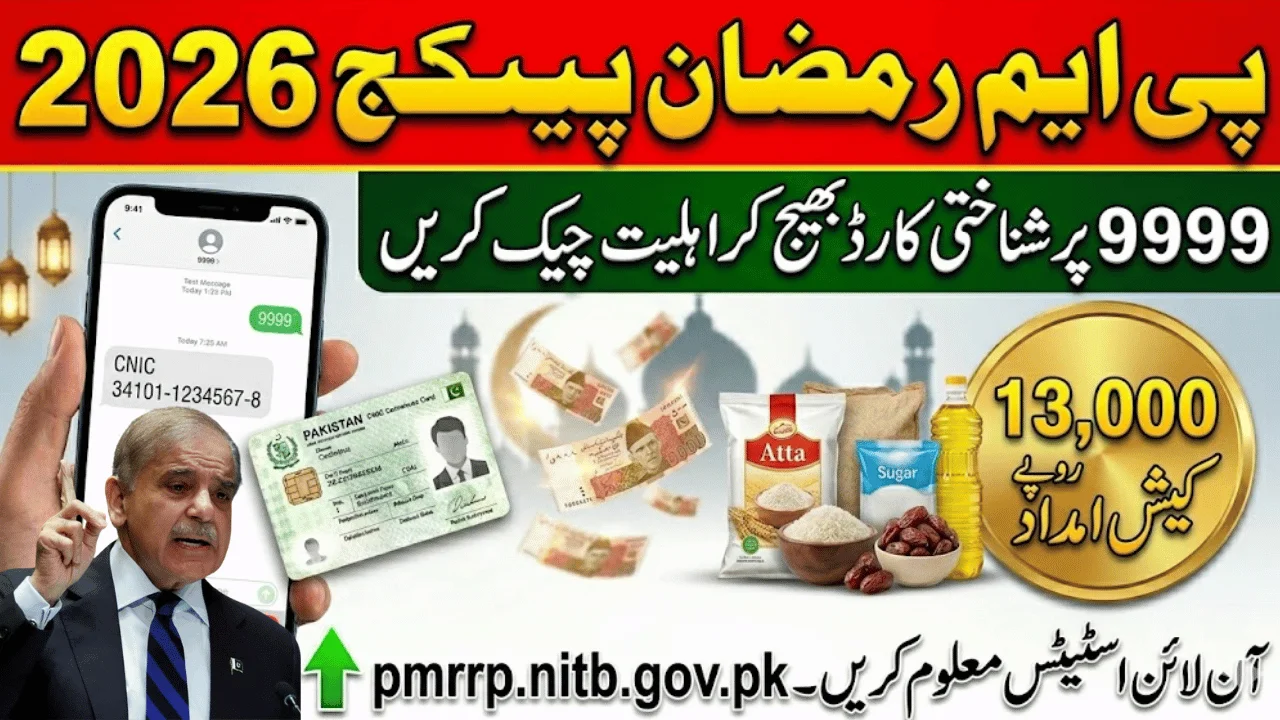
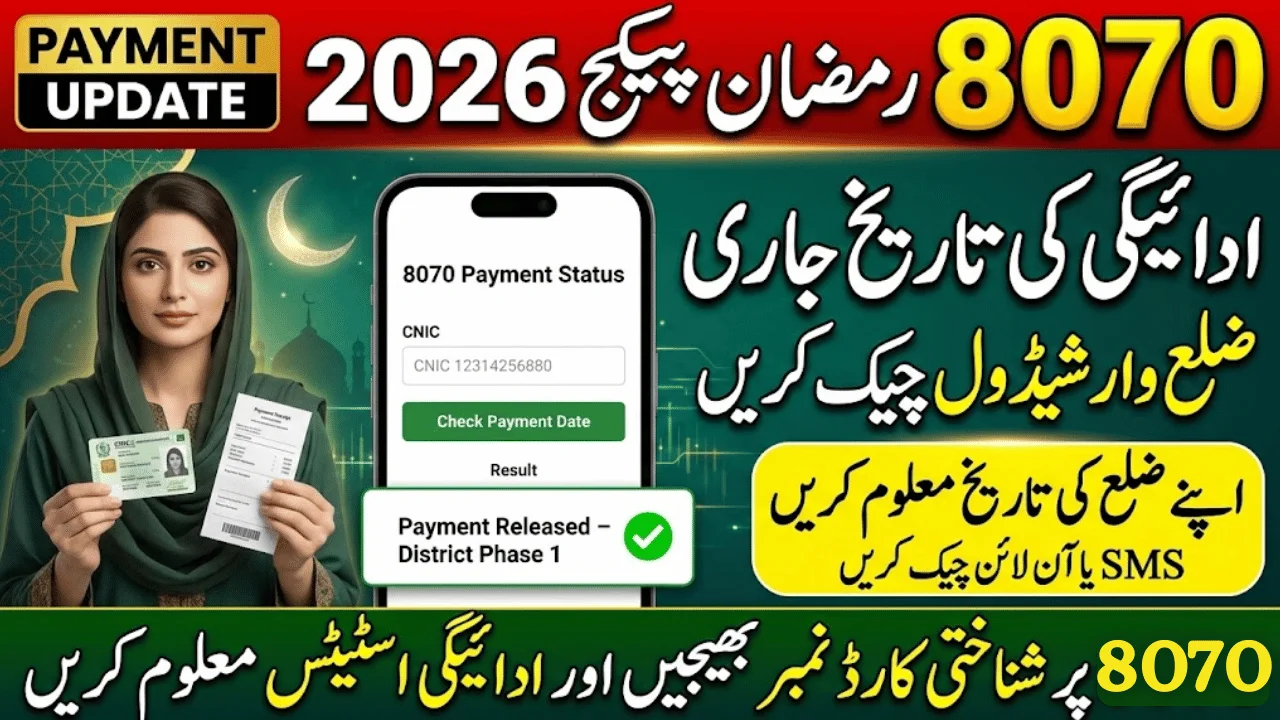
8070 آن لائن رجسٹریشن پورٹل – رمضان پیکیج 2026
Visit the designated government registration platform.
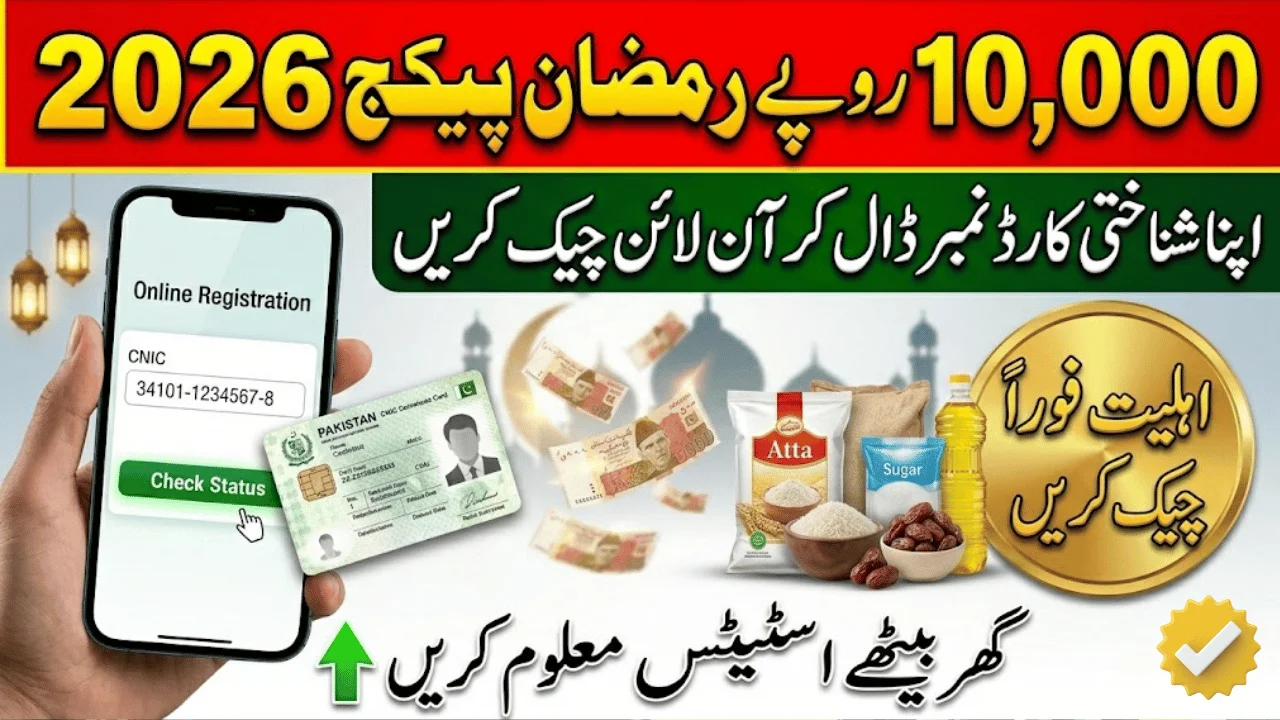
Step 2: Enter Basic Information
Provide:
-
CNIC number
-
Registered mobile number
-
Household size
-
Income details

Step 3: SMS Verification
You may receive a one-time verification code on your mobile number.
Step 4: Data Review
Your application is cross-checked with official databases.
Step 5: Status Notification
You receive SMS confirmation if approved, rejected, or under review.
Common Reasons Applications Get Rejected
Understanding rejection causes can save you time:
-
Incorrect CNIC number
-
SIM not registered in applicant’s name
-
Income mismatch in official records
-
Duplicate applications from same household
-
Tax filer status
Practical Tips to Increase Approval Chances
-
Ensure your CNIC is valid and updated.
-
Use your own registered mobile number.
-
Enter accurate income information.
-
Avoid submitting multiple applications.
-
Do not pay any agent or middleman.
Remember: Government registration is free.
Pros and Cons of Ramzan Nigehban 2026
Pros
-
Digital transparency
-
Reduced corruption
-
Faster processing
-
Clear eligibility criteria
-
SMS-based updates
Cons
-
Strict database verification

-
Limited support for middle-income families
-
Internet access required for self-registration
-
Delays possible in remote districts
Frequently Asked Questions (FAQs)
1. Is Ramzan Nigehban Registration mandatory every year?
If your data is already in the socio-economic registry, you may not need to reapply — but updates may be required if income changes.
2. How long does verification take?
Typically a few days to a couple of weeks before Ramadan.
3. Can government employees apply?
Most salaried government employees are not eligible.
4. Is there any registration fee?
No. The process is completely free.
5. What if my status shows “Under Review”?
It means your data is being verified. Wait for final confirmation.
6. Can I receive both ration and cash?
In some districts, yes — depending on policy and eligibility.
How This Program Impacts Families
Beyond financial aid, the program provides something equally important — peace of mind.
Families can:
-
Plan grocery purchases in advance
-
Avoid borrowing money
-
Celebrate Ramadan with dignity
-
Reduce household stress
For many low-income families, this support makes a meaningful difference.
Final Takeaway
The Ramzan Nigehban Registration Online 2026 initiative represents a structured, data-driven approach to Ramadan welfare assistance. It is more transparent than previous years, but also stricter in verification.
If you believe you qualify:
-
Apply early
-
Provide accurate information
-
Monitor your SMS notifications
-
Avoid unofficial sources
Used correctly, this program can provide timely relief and help families observe Ramadan with greater stability and dignity.